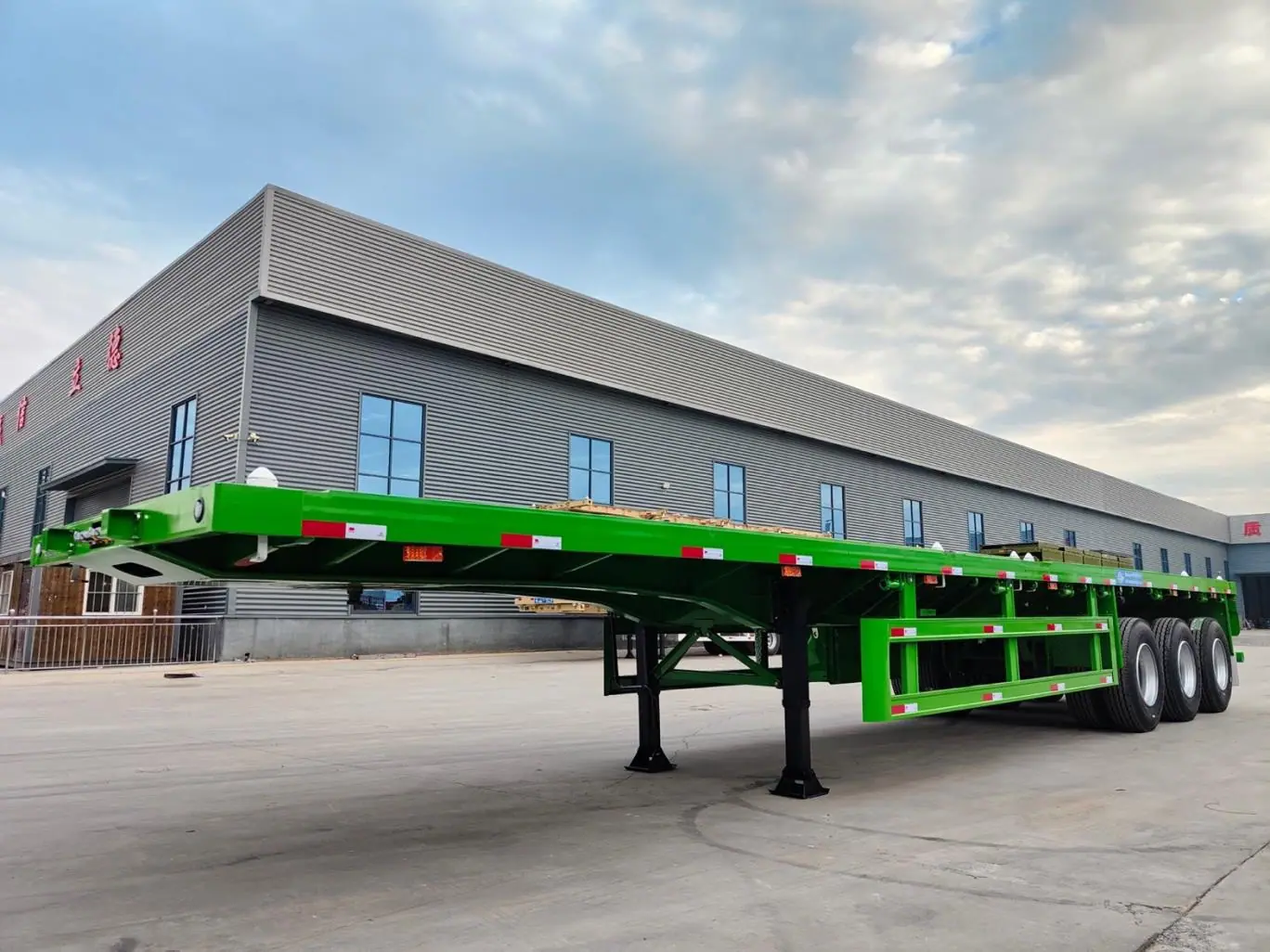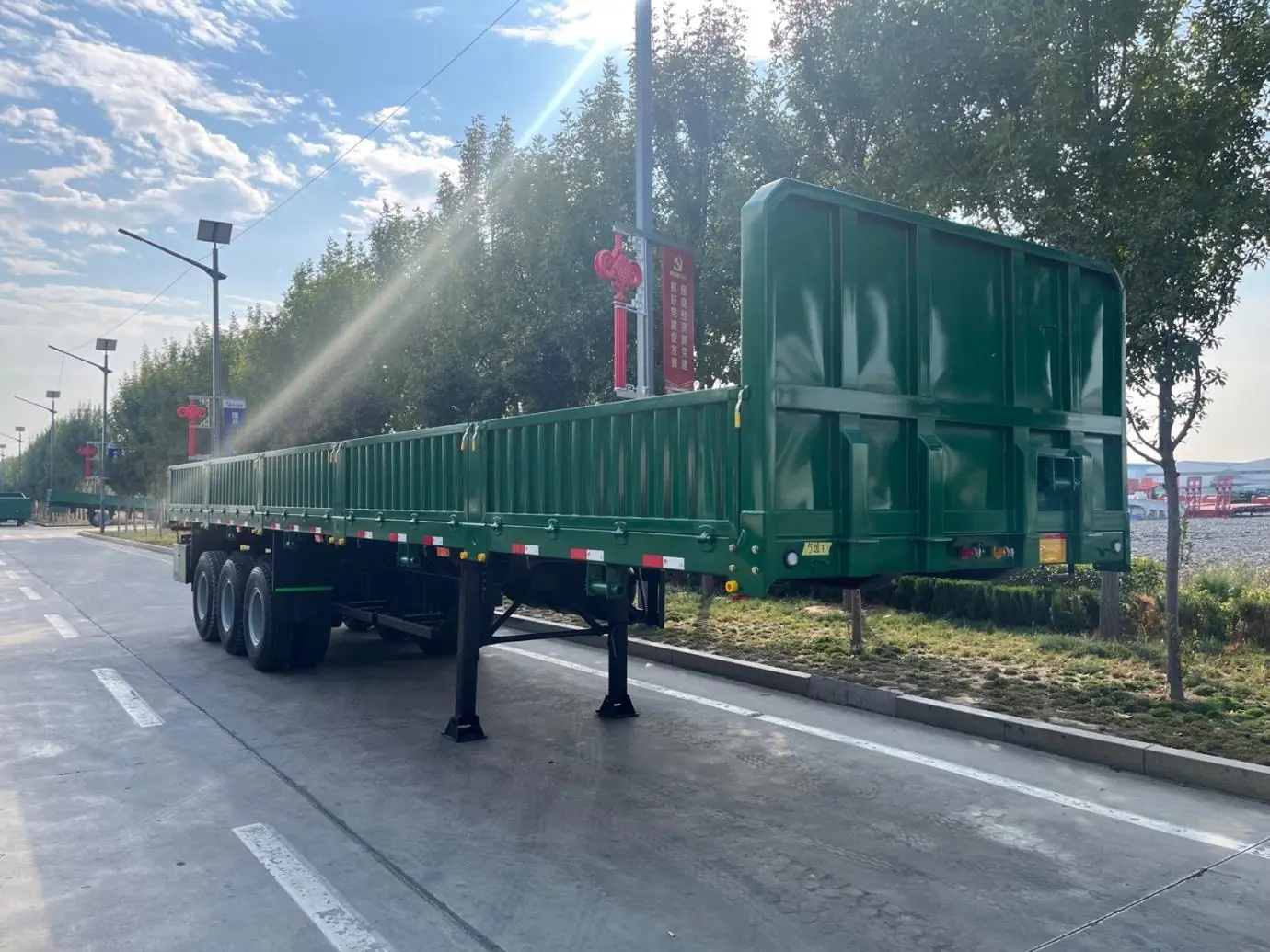
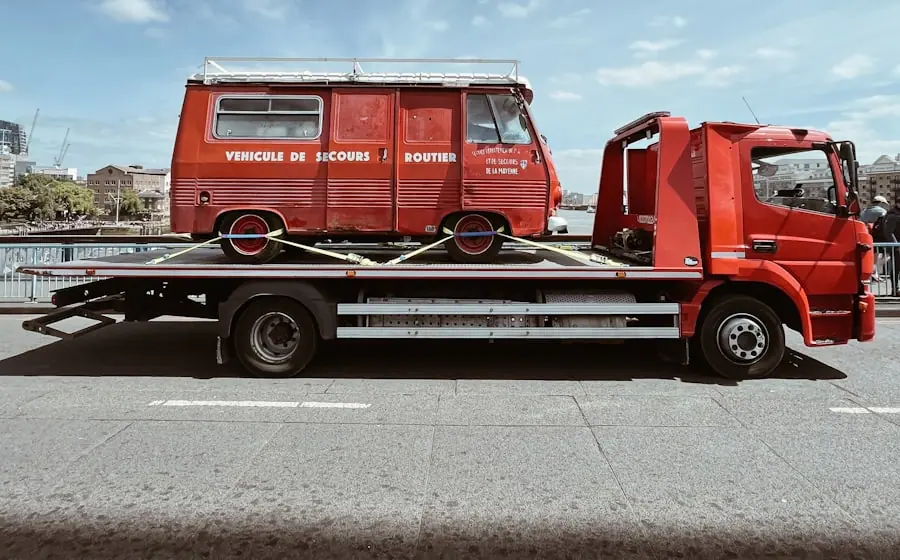
Flatbed semi-trailer
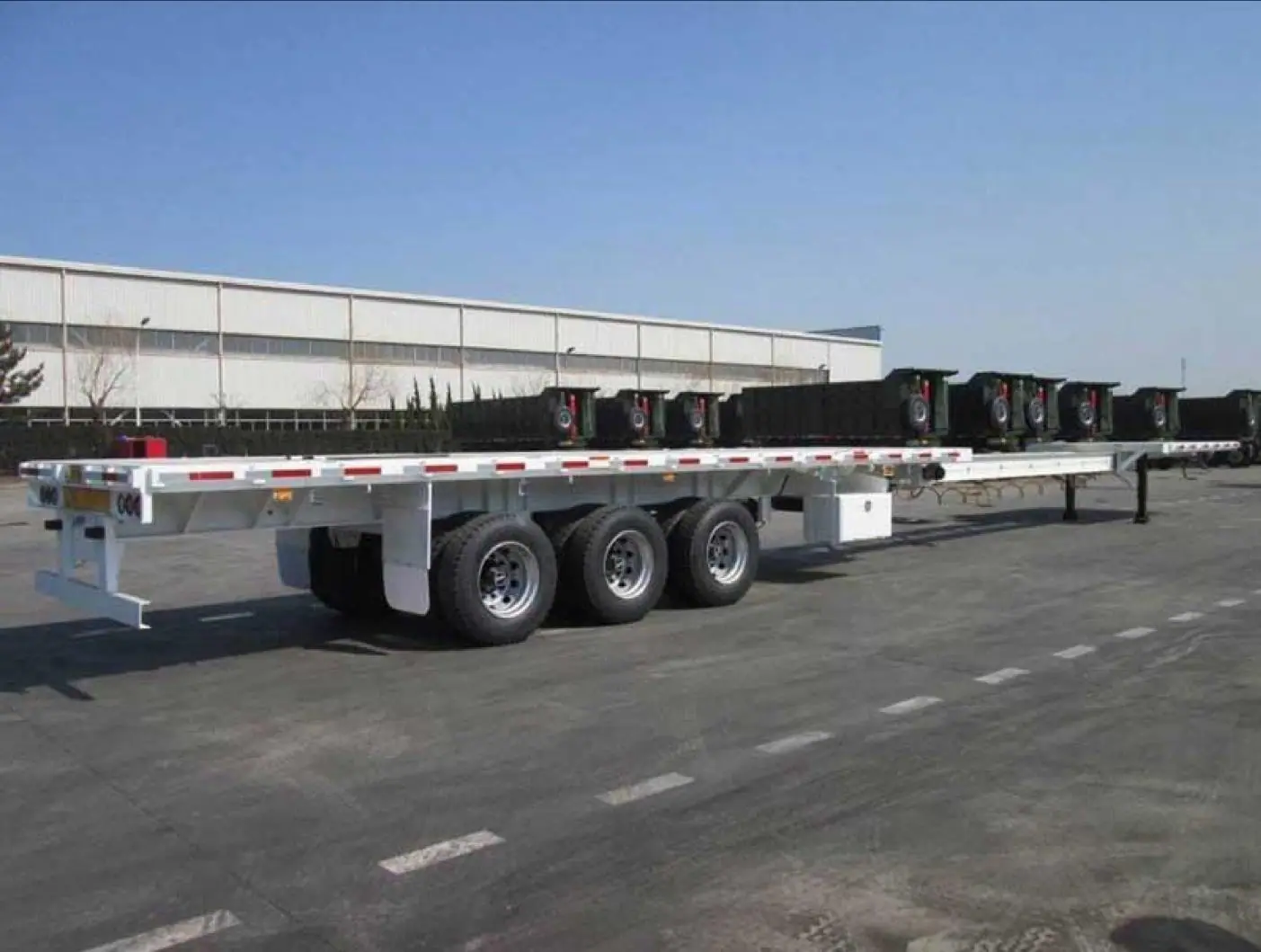
2–4 axles · 12–17.5m · 40–80T — General cargo, containers and steel. Twist locks optional so one trailer covers both container and loose-cargo work.
Semi-trailers are the largest part of what we ship. Liangshan County builds more of them than anywhere else in China, which means real choice on specification rather than taking whatever one factory has in the yard. The trade-off is that quality between suppliers varies more than the price does — which is the whole reason we inspect before you pay the balance.
Each type is built to order. Deck length, axle brand, suspension and paint are yours to specify.
2–4 axles · 12–17.5m · 40–80T — General cargo, containers and steel. Twist locks optional so one trailer covers both container and loose-cargo work.
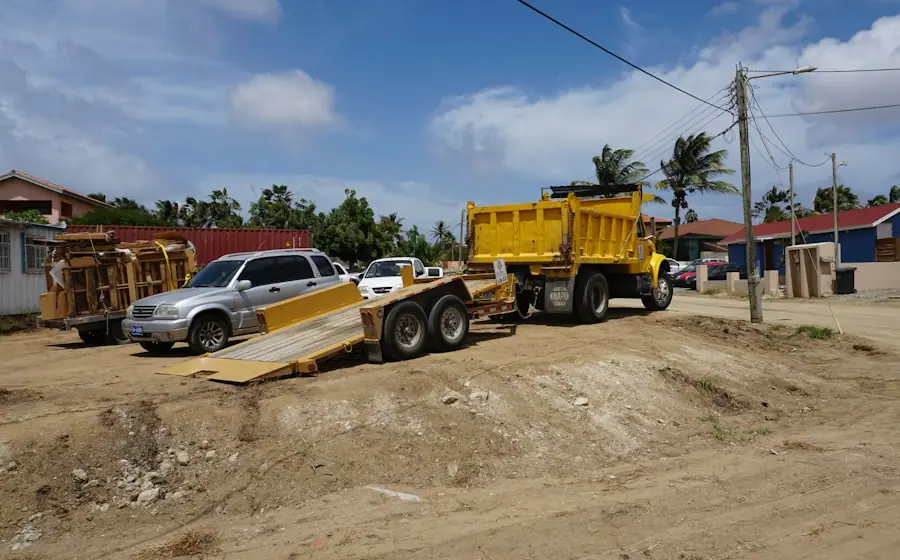
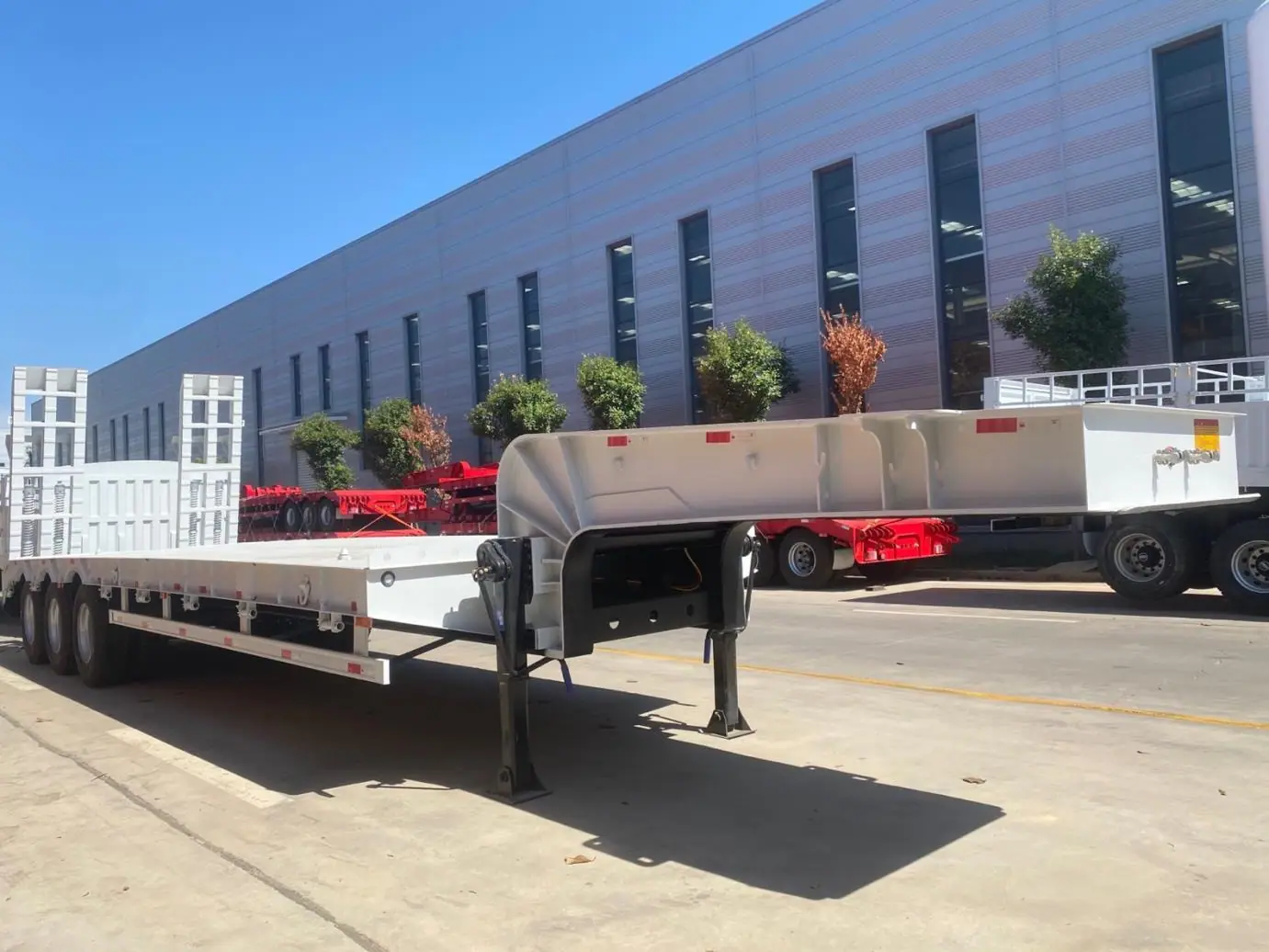
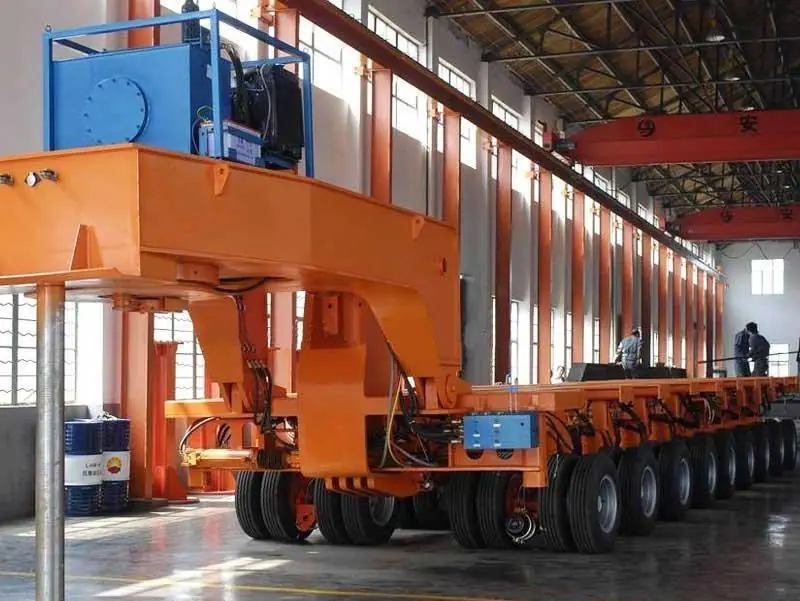
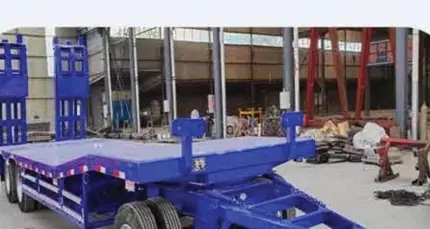
2–4 axles · 13–16m deck · 60–100T — Excavators, dozers, crushers and transformers. Hydraulic or mechanical ramps, gooseneck or straight frame.
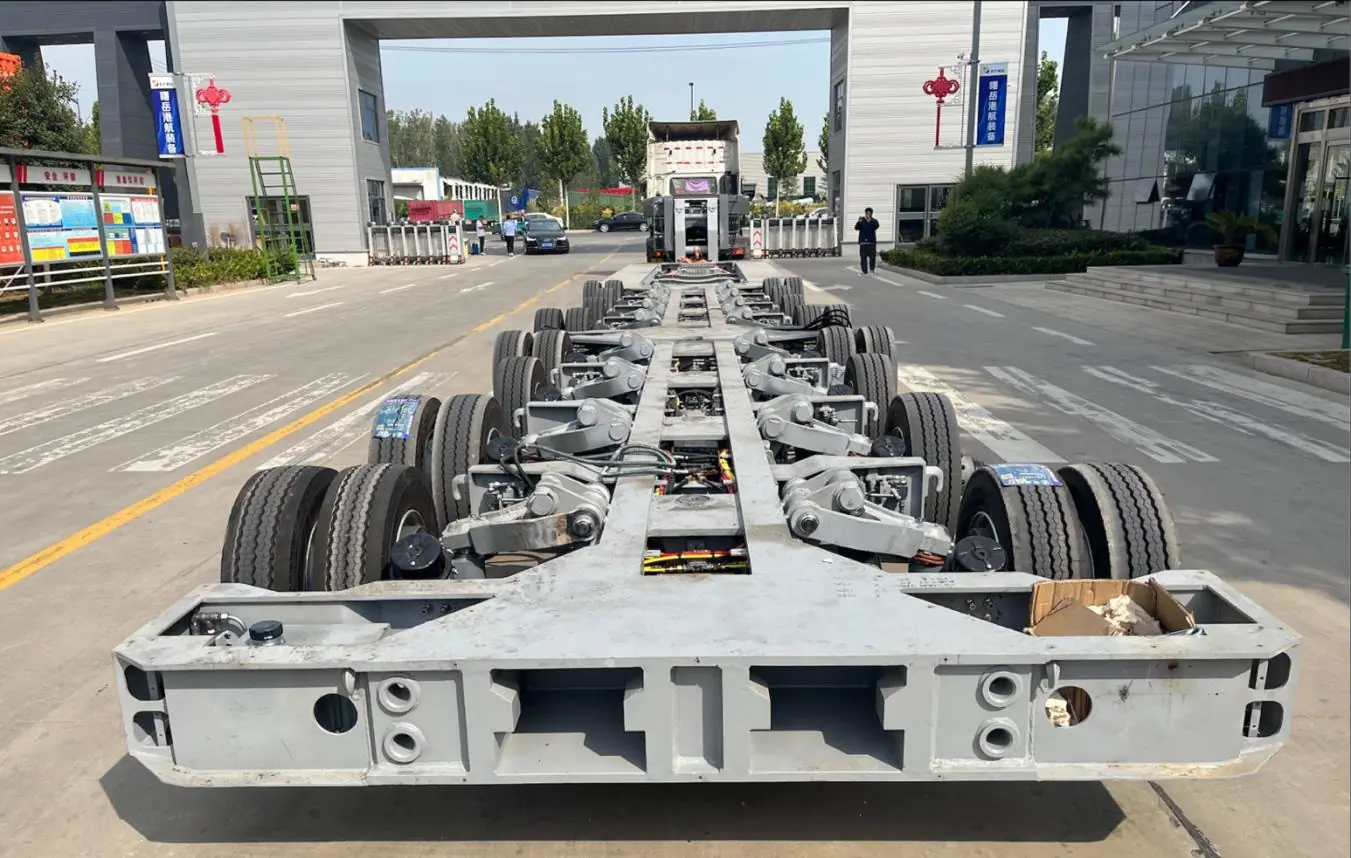
3–4 axles · extends to 21m · 60–80T — Wind blades, bridge beams and long plant. Extends only when the load needs it, so it stays legal on normal runs.
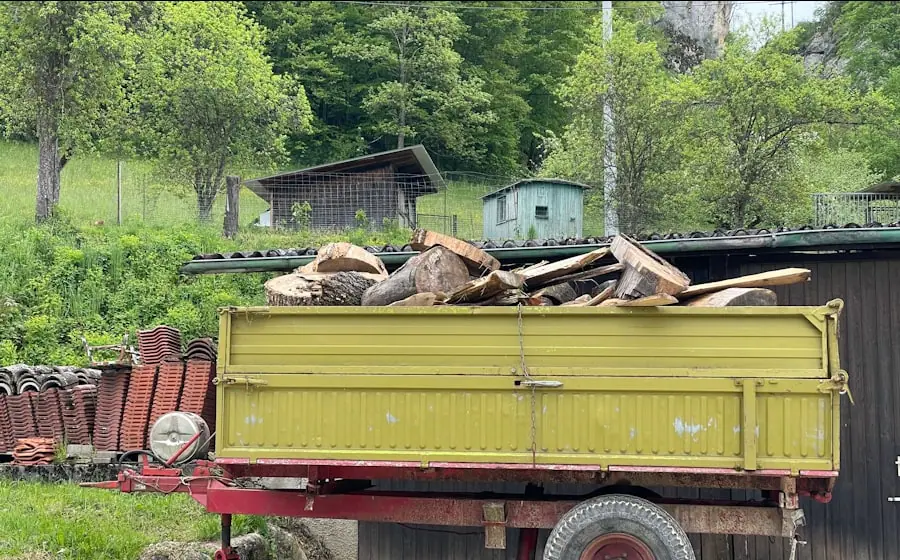
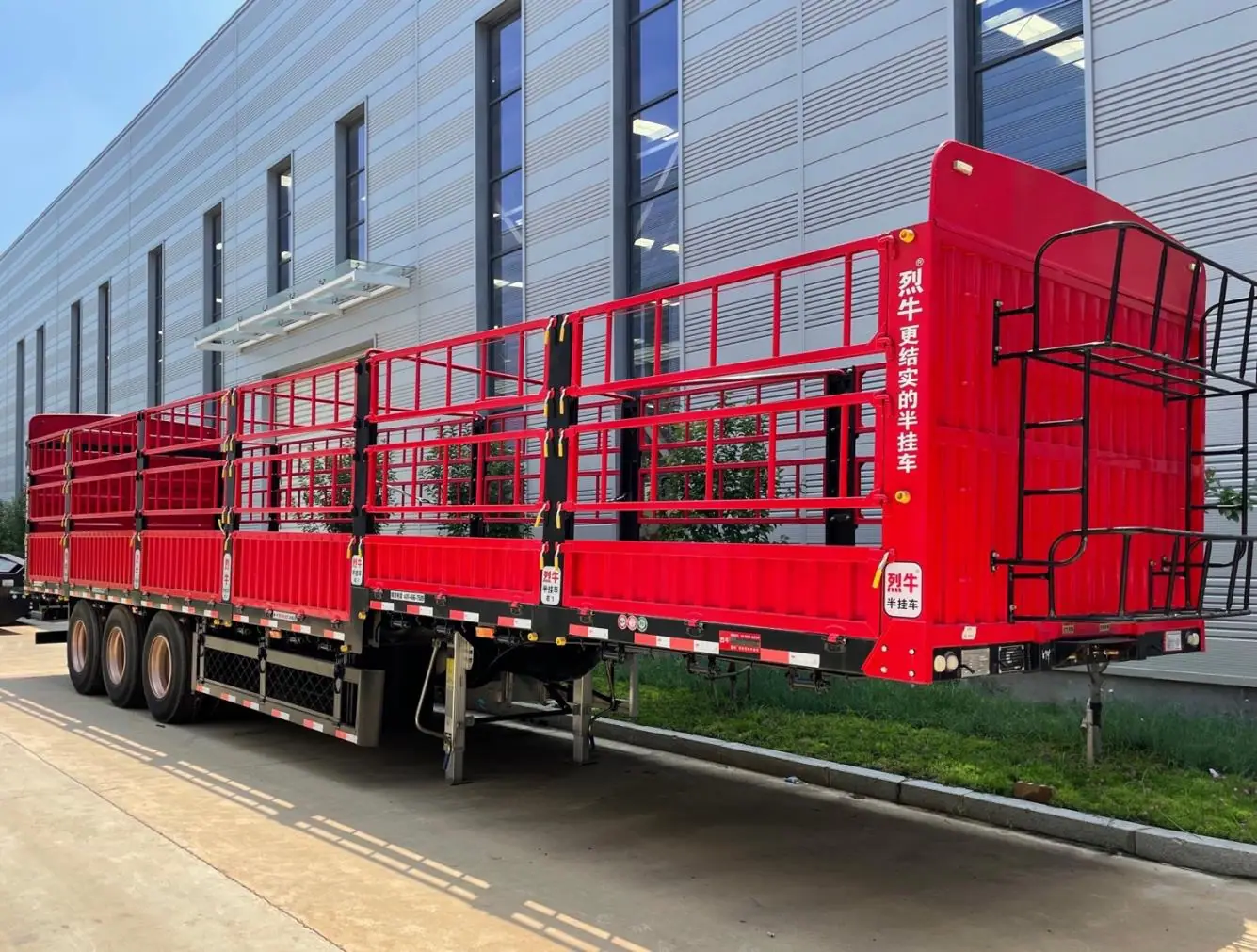
3 axles · 13m · 60T — Bagged cargo, drums, produce and livestock feed. Removable or fixed sides depending on the loading method.
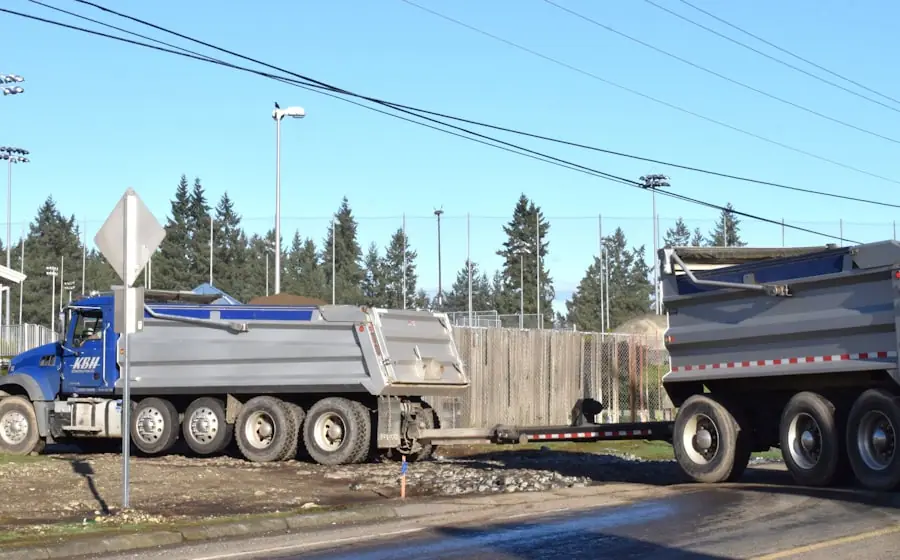
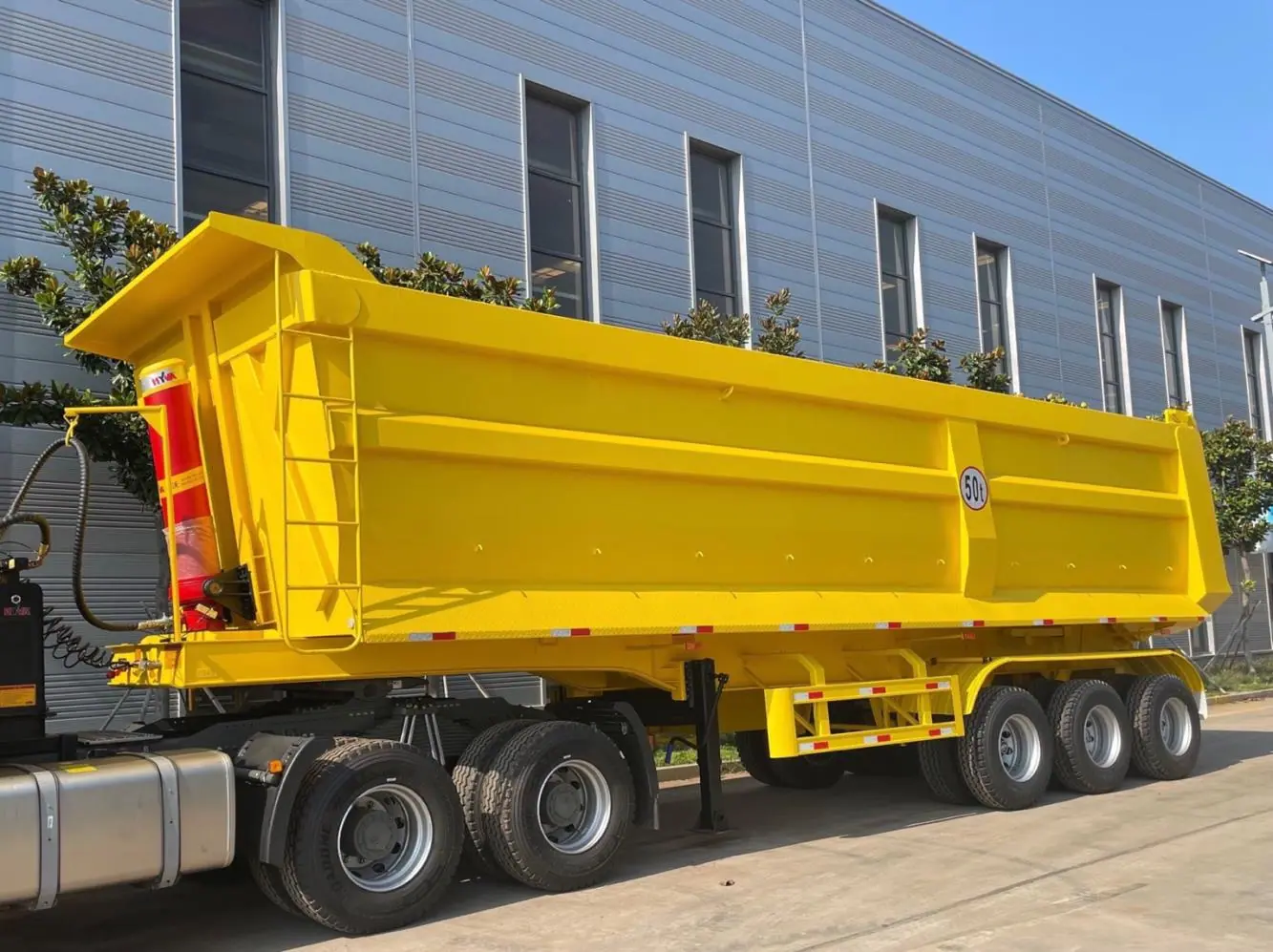
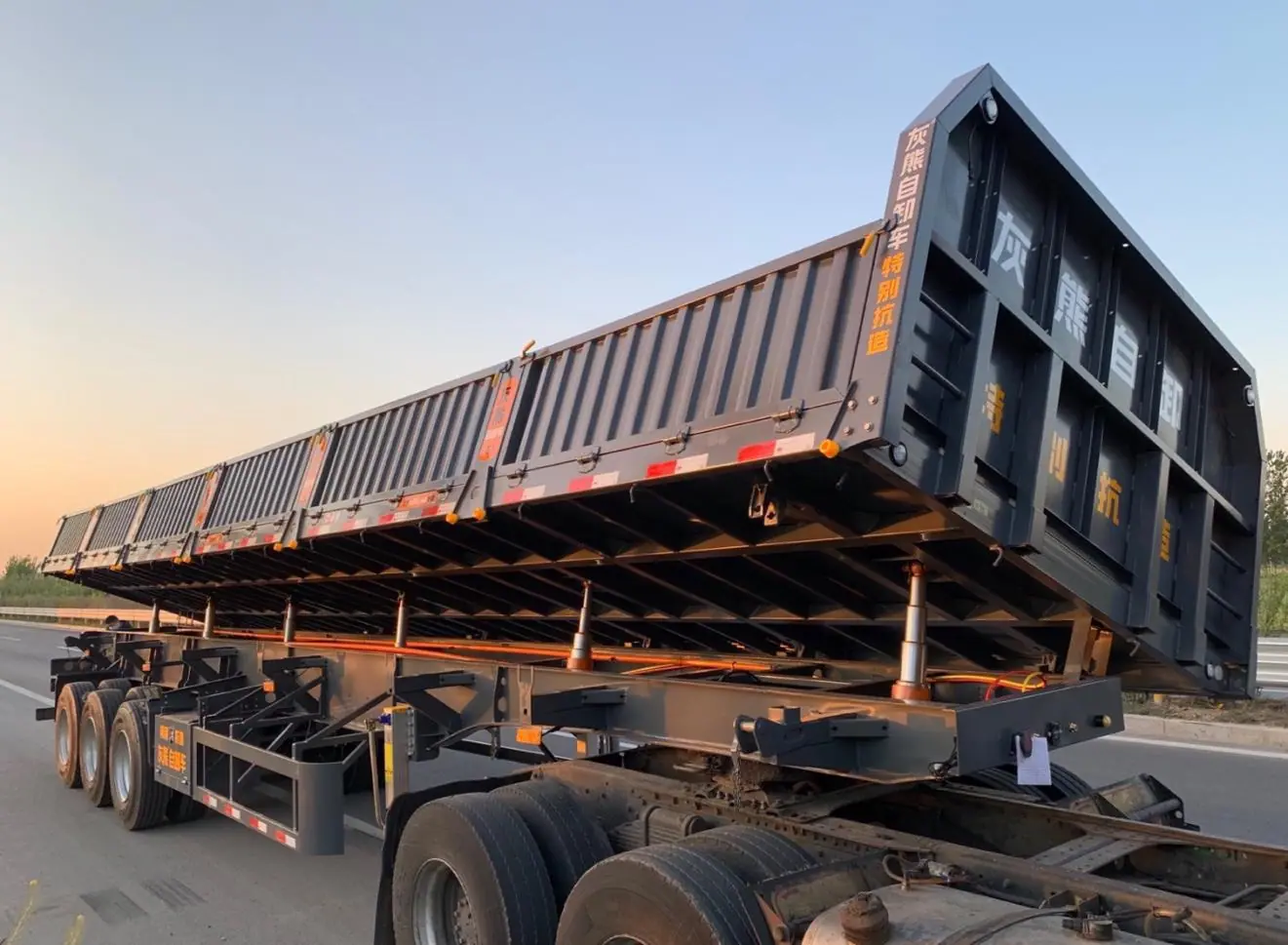
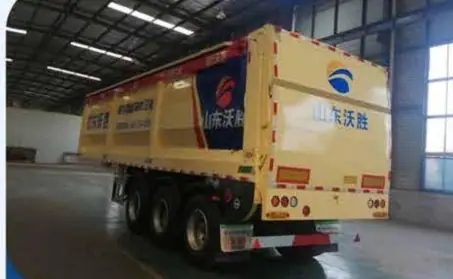
3–4 axles · 25–45m³ · 60–80T — Sand, aggregate, ore and coal. Front-lift hydraulic cylinder, U-shape or flat-floor bucket.
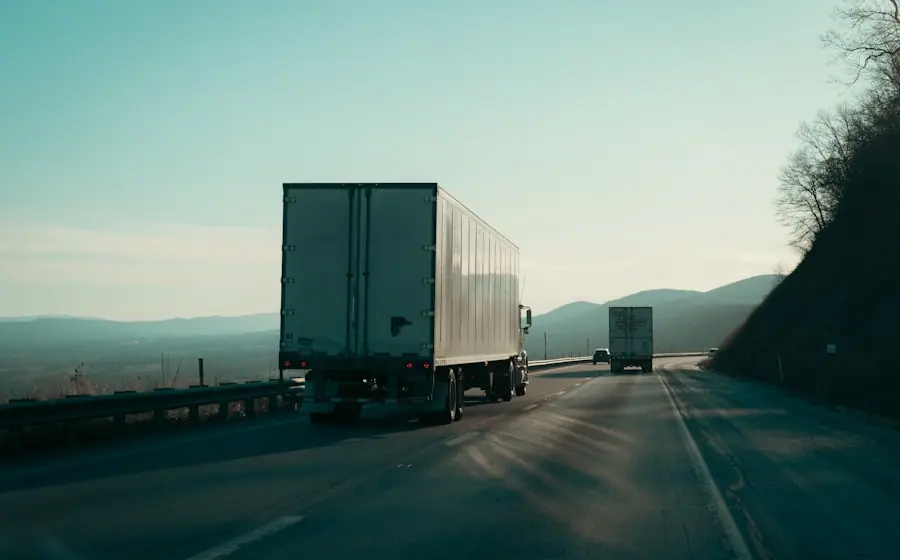
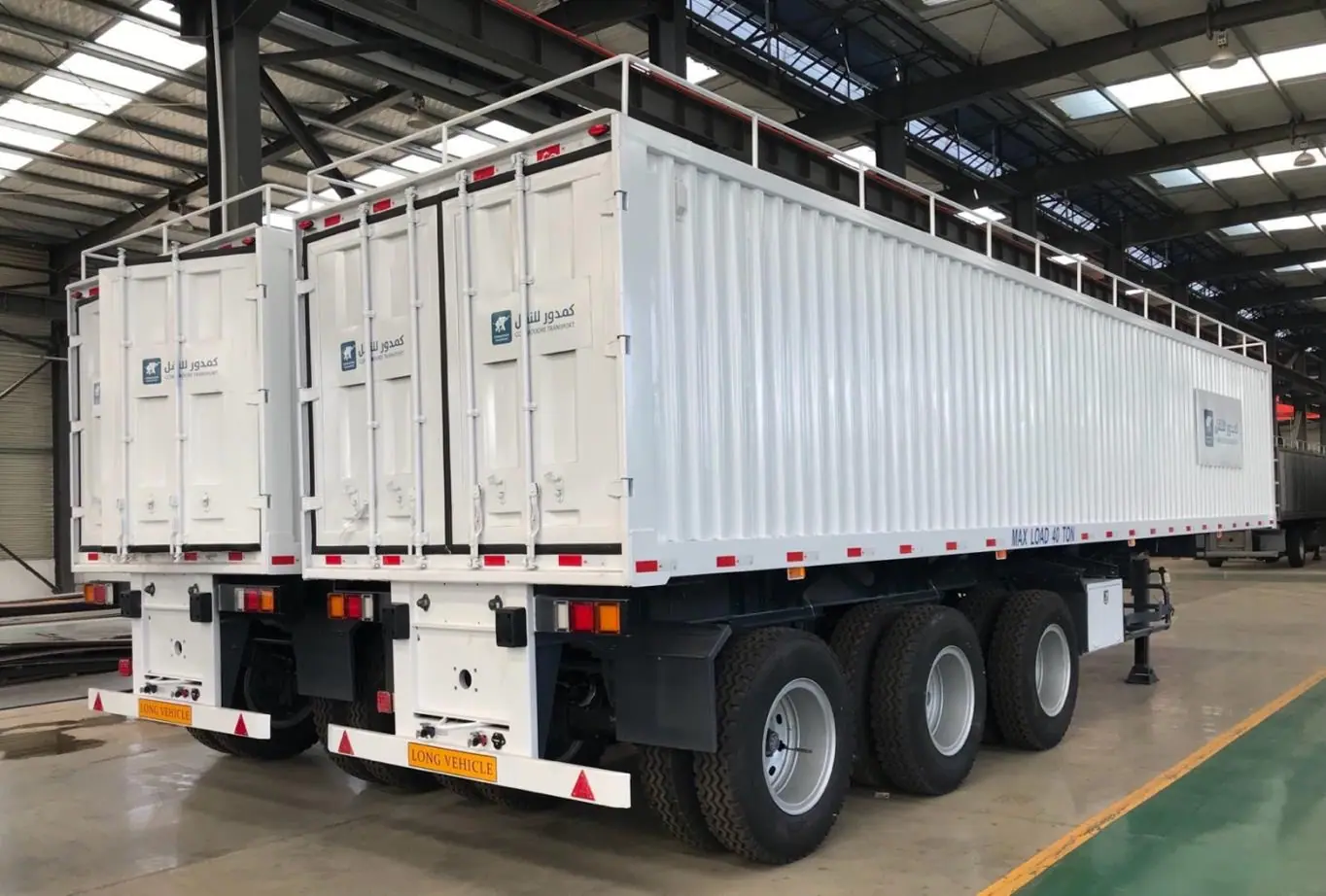
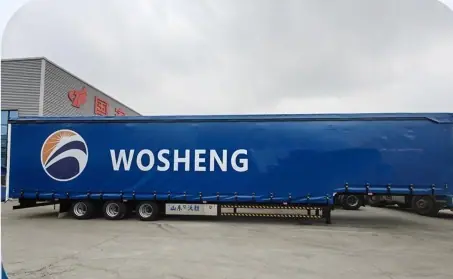
3 axles · 13m · 40–60T — Palletised cargo needing weather protection and side access. Sliding curtain with internal lashing rails.
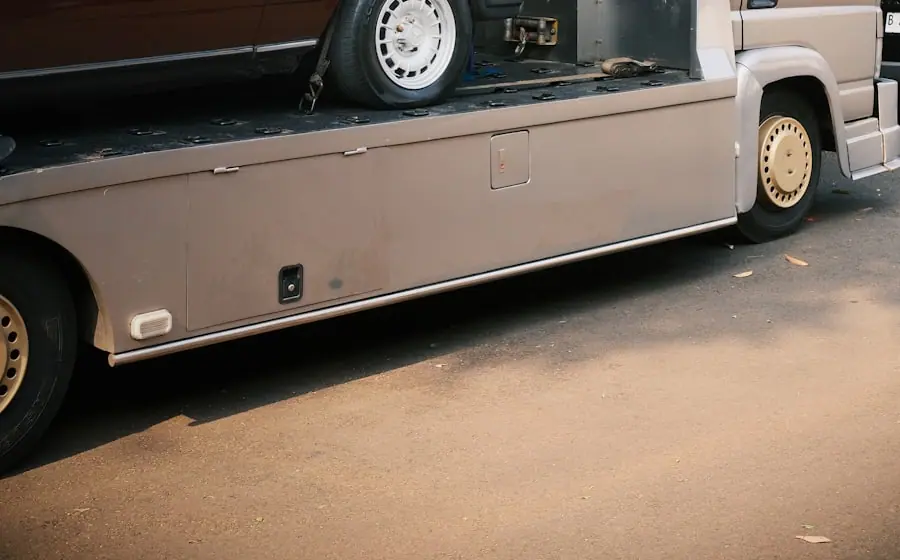
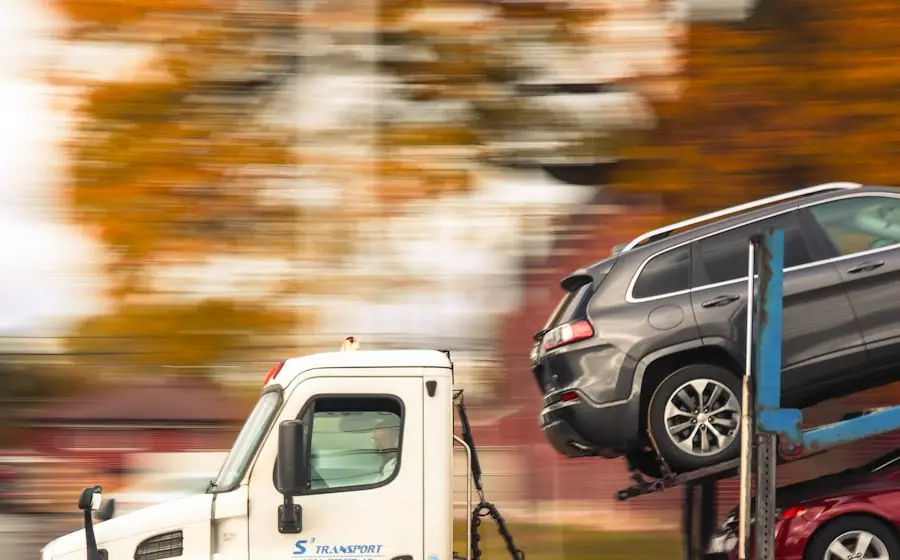
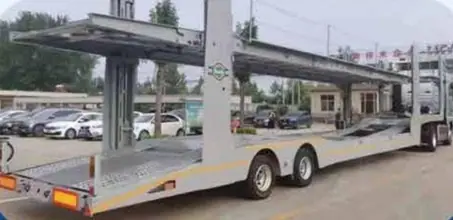
2–3 axles · 6–12 cars — Single or double deck, hydraulic ramps. Deck height set for the vehicle mix you actually carry.
3–4 axles · reinforced deck — Concentrated point loads — presses, generators, mining plant. Heavier cross-members under the load line.
These are the choices that change how a trailer performs and what it costs. Tell us the route and we will recommend a combination.
Listed units are what we hold or can confirm quickly. Most orders are built to specification — send us what you need rather than picking from this list.
One assembled trailer per 40ft flat rack. Some models can be partly knocked down and shipped two or three to a flat rack, or containerised for smaller orders — we quote both ways so you can compare the landed cost.
Yes, and you should. Standardising on one brand across a fleet keeps your parts shelf manageable. FUWA is the usual default; BPW and SAF cost more and are worth it if your workshop already stocks them.
Leaf spring for bad roads and thin service networks — it fails visibly and is repairable anywhere. Air suspension for paved long haul and load-sensitive cargo. We will tell you which one your route justifies, not which one is dearer.
Yes. On used units we report frame condition, weld repairs, axle and brake wear, tyre condition and any accident damage we find — including when our recommendation is to walk away.